Designing With a Story, Not a Shopping List
Before a single plant is purchased or a stone is set, give your landscape a story.
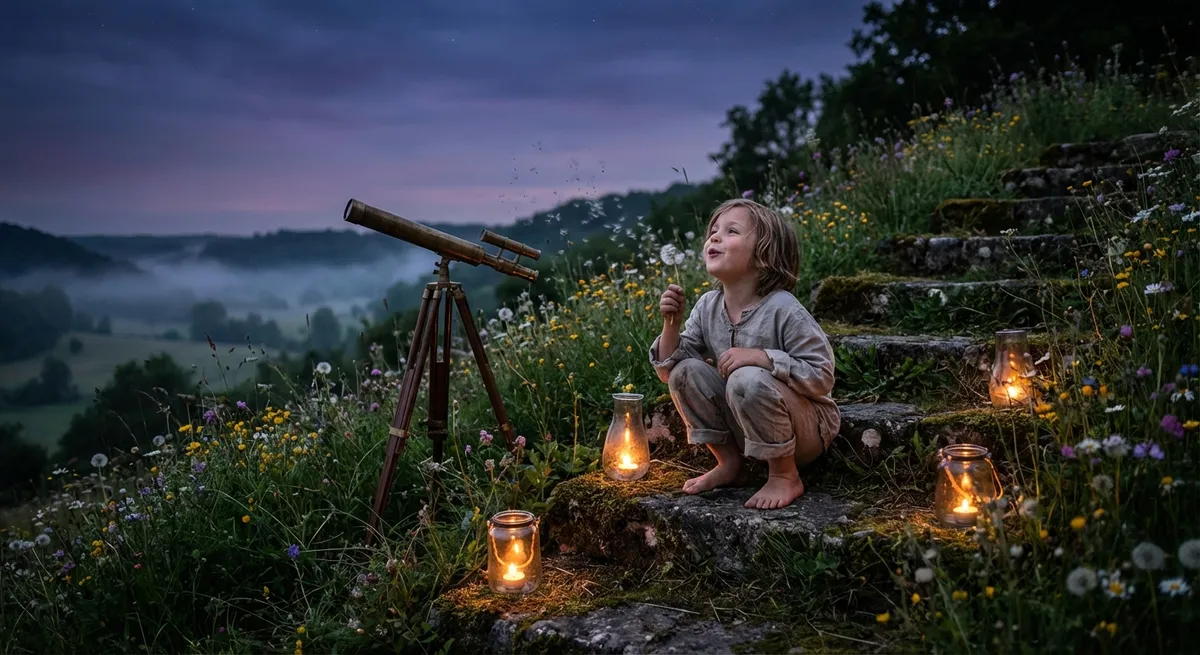
Imagine your yard as a book you step into: What’s the opening scene? Maybe it’s early light on dew-covered grass, your mug warming your hands as birds practice their morning songs. Or perhaps it’s twilight, when string lights hum on and the scent of herbs rises from the soil.
Instead of starting with “What should I buy?” start with “What do I want to feel?” Peaceful retreat? Social energy? Childhood adventure? Let that feeling guide every choice—from the plants you select to the way your pathways curve.
Think in chapters, not checklists. One corner might be your “slow morning” chapter, with soft ornamental grasses and a cushioned bench. Another might be your “gather and laugh” chapter, with pavers underfoot, movable chairs, and nearby planters of fragrant rosemary and thyme. When your landscape has a story, every design decision becomes less about decorating a yard and more about building a life you love outdoors.
Idea 1: The Wandering Path That Refuses to Rush
Straight paths say “get there.” Curved paths whisper “stay a little longer.”
Design a wandering path that encourages you to linger instead of hurry. Use materials that feel natural underfoot: crushed gravel that crunches softly, stepping stones set into moss, brick softened by time. Let the path meander, even if your space is small. A gentle curve can visually stretch a modest yard, making it feel like there’s always one more corner to discover.
Layer plants alongside the path like a living frame. Taller shrubs or small trees can create a sense of destination—maybe a Japanese maple, a serviceberry, or a crepe myrtle, depending on your climate. Closer to the ground, soften the edges with low-growing plants that spill slightly over the borders: creeping thyme, lamb’s ear, or native groundcovers.
As you walk, give your senses milestones: a cluster of lavender to brush with your hand, a wind chime that answers the breeze, a birdbath catching sunlight in a small clearing. A wandering path transforms your yard from a pass-through into a place worth traveling slowly.
Idea 2: The Seasonal Theater Where Nature Takes the Lead
Landscaping isn’t just what you see today; it’s the show that unfolds with time.
Design your yard as a four-season theater, where each month has a role to play. Start with the backbone: trees and shrubs that structure the space all year. Evergreens give winter shape, while deciduous trees offer spring buds, summer shade, and autumn fire. Consider a mix: maybe a pair of ornamental trees flanking your porch, a row of shrubs turning scarlet in fall, and a few evergreens that stay stoic through snow or rain.
Then, choreograph your bloom times. Early spring bulbs—daffodils, tulips, crocuses—can announce the new year under still-bare branches. Summer perennials like coneflowers, black-eyed Susans, and salvias keep the energy high. Autumn grasses catch the low sun and move like flame, while winter-interest plants (red twig dogwood, hellebores, seed heads left standing for birds) keep the stage alive.
Think of your outdoor space as a living calendar. When blossoms fade, let structure and texture take over. When flowers are gone, let bark, berries, and silhouettes keep you company. In this seasonal theater, you’re not just a spectator—you’re the director, shaping a show you’ll never quite see the same way twice.
Idea 3: The Edible Edge Where Beauty and Harvest Overlap
There’s a special kind of magic in stepping outside and picking something you grew yourself—especially when your edible garden doesn’t look like a separate “vegetable patch,” but instead melts into your landscape.
Blur the line between ornamental and edible. Tuck herbs into flowerbeds: silvery sage beside lavender, bright basil near marigolds, feathery dill drifting between roses. Replace a foundation shrub or two with blueberry bushes that burst into white blossoms in spring, glossy fruit in summer, and fiery foliage in the fall.
Use vertical space: an arbor covered in grapevines or climbing beans, a trellis with espaliered apple trees, or a fence woven with raspberries. Along paths, plant low-growing thyme or oregano where your steps will release their scent. In containers on patios, mix trailing strawberries with ornamental grasses or petunias for a layered, abundant look.
An edible edge makes your landscape feel generous. Every walk outside becomes an invitation: taste this, smell that, clip a sprig for dinner. Beauty that feeds you—body and spirit—is the kind of luxury that never goes out of style.
Idea 4: The Quiet Green Room for Reset and Reflection
Even the most social outdoor spaces need a place where the noise falls away.
Carve out a small “green room” for yourself—a hidden pocket where you can exhale. It might be just big enough for one chair and a side table, tucked behind a stand of tall grasses or half-hidden by shrubs. Use vertical screens—lattice with vines, bamboo, narrow evergreens—to create a sense of enclosure without shutting out the sky.
Choose plants that invite calm: ferns, hostas, and shade-loving groundcovers in dappled light; or in sunnier spots, silver-leaved plants and billowing grasses that move in unison with every breeze. Add something that soothes the senses: the trickle of a small fountain, the rustle of bamboo, the scent of jasmine or gardenia on warm nights.
In this space, the goal is not to perform but to pause. Bring a notebook, a cup of tea, or nothing at all. Let your eyes rest on green. Let your ears listen past the distant traffic to the closer sounds of bees, birds, and leaves. A quiet green room within your landscaping becomes your personal reset button—always waiting, never judging.
Idea 5: The Glow Line That Extends the Day
When the sun slips away, your landscape doesn’t have to.
Thoughtfully placed lighting can transform your yard after dark into a place where memories keep stretching long past sunset. Think of it not as “security lighting” but as atmosphere: a glow line that traces the best parts of your space.
Use low, warm lighting along paths so every step feels considered and safe. Highlight the textures that daytime overlooks: the peeling bark of a tree, the arch of an ornamental grass, the stone face of a wall. Uplighting a single tree can turn it into an evening sculpture; soft downlighting from above can mimic moonlight.
Around seating areas, layer light levels: string lights overhead, lanterns on tables, maybe a small candle cluster for intimacy. Avoid over-lighting; darkness is part of the magic. The right balance lets the stars and fireflies still have their say, while your landscape remains gently legible—a nighttime version of itself that feels both familiar and entirely new.
Bringing It All Together: A Landscape That Knows Your Name
The most memorable landscapes aren’t the ones that look like magazine spreads; they’re the ones that feel strangely, unmistakably like you. They hold your routines and your daydreams, your friendships and your quiet moments, your love of color or of calm.
Begin where you are: with whatever patch of earth, balcony, or shared courtyard you have. Let a wandering path remind you to move slower. Let the seasons write chapters in blooms and bare branches. Let edible edges blur utility and beauty. Let a quiet green room hold your thoughts. Let a line of light stretch your evenings.
As you shape your outdoor space, it will shape you back. You’ll learn which plants persevere, which views soothe, which corners invite conversation. Over time, your landscape becomes more than a backdrop—it becomes a living partner in your daily life, constantly changing, always offering you one more reason to step outside and remember how big, and how close, the world can feel.
Sources
- American Society of Landscape Architects (ASLA) – Residential Design Trends - Insights on popular and enduring ideas in residential landscaping
- University of Minnesota Extension – Sustainable Home Landscapes - Research-based guidance on plant selection, structure, and year-round design
- Royal Horticultural Society (RHS) – Garden Design - Practical advice and inspiration for paths, planting structure, lighting, and seasonal interest
- U.S. Department of Agriculture – Choose Native Plants - Why incorporating native plants supports wildlife and resilient landscapes
- Penn State Extension – Edible Landscaping - Detailed information on integrating edible plants into ornamental yard design