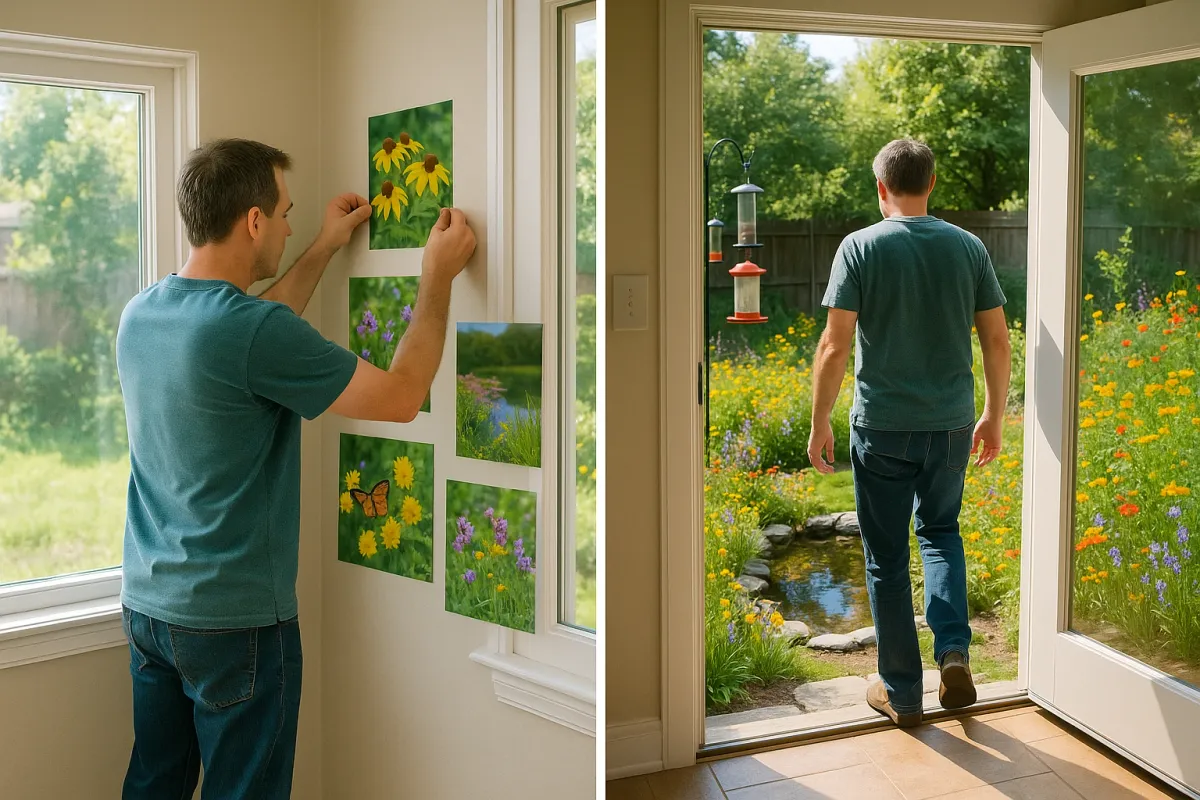
If a single photograph can stop you in your tracks, imagine what could happen if you let that same sense of wonder shape your own yard, balcony, or tiny patio. Today, inspired by the Nature Photographer of the Year 2020 collection and the timeless magic it continues to share online, we’re turning those breathtaking shots into living, breathing landscape ideas you can actually build at home—no telephoto lens required.
1. “Frozen Moment” Corners: Turning Stillness Into a Garden Feature
Many of the winning nature photographs capture one still, perfect moment—dew clinging to a spiderweb, a fox pausing on a snowy ridge, a lone tree surrounded by fog. They feel like time has been politely asked to wait. You can translate that same feeling into your landscape by designing a “frozen moment” corner: a small, intentional vignette that looks like a photograph you could step into.
Start with a single focal point: a sculptural tree, a weathered boulder, a simple birdbath, or even a solitary ornamental grass in a large ceramic pot. Surround it with plants that stay interesting across seasons—think heuchera for foliage color, dwarf conifers for structure, or tall seed heads that hold their silhouette through winter. Keep the background simple: a dark fence, a plain stucco wall, or a hedge that visually frames your “subject.” Then, add a low bench or a flat stone where you can sit and quite literally “take in the view.” Each morning light shift becomes a new version of the same quiet portrait, and your landscape stops being just a yard—it becomes a gallery of living images.
2. Moody Light Gardens: Painting With Dawn and Dusk
Nature photo contests are dominated by blue hour shots and soft, angled light; professional photographers chase that golden and indigo glow because it makes everything feel enchanted. Instead of only thinking about how your garden looks at noon, take a cue from those images and design a landscape that truly wakes up at sunrise and sunset.
Walk your space during different times of day and notice where the light pools, where it grazes walls, and where shadows lengthen. Place silvery or pale‑leafed plants—like lamb’s ear, artemisia, or variegated hostas—where the last rays of sun can catch them so they almost seem to glow. Use low, warm-toned path lights to graze over gravel, stepping stones, or ornamental grasses so they’ll read like softly lit foreground elements in a photograph. If you have a fence or wall, aim a narrow spotlight at a single tree or shrub to create that dramatic, gallery‑style effect you often see in nighttime nature shots. Your garden doesn’t have to be bright to be beautiful; it only needs a few carefully lit “scenes” to feel like a cinematic landscape you get to inhabit, not just observe on a screen.
3. Micro‑Wild Habitats: Bringing the Wildlife Into the Frame
Look through the Nature Photographer of the Year images and you’ll see a recurring theme: wildlife in its element—owls framed by hollow trunks, tiny insects on enormous leaves, deer half‑hidden in the undergrowth. You don’t need acres of forest to invite that magic; even a small yard or balcony can become a tiny nature reserve if you design with habitat in mind.
Start by choosing a few native plants specific to your region—these are the ones local birds, bees, and butterflies already recognize as “home.” Group them rather than scattering them, creating mini‑thickets where creatures can hide, rest, and feed. Add a water element, even if it’s as simple as a shallow dish with a stone in the center for bees to land on. Leave one corner of your space a bit wild: let leaves gather, let a clump of grasses remain uncut through winter, or tuck in a wood pile that can become a haven for insects and small critters. Over time, you’ll start to notice more movement—flashes of wings, rustling leaves, surprise visitors. Your landscape becomes less like a staged set and more like those award‑winning photos: a place where life is constantly, quietly unfolding.
4. Reflective Spaces: Turning Puddles and Pools Into Living Landscapes
Some of the most arresting nature photographs win awards not for the subject itself, but for the reflection—the mountain doubled in a mirror‑still lake, the sky painting itself on the surface of a tide pool. You can bring that same depth and drama into your backyard by playing with reflection on a smaller scale.
If you have the space, a simple, shallow reflecting pool or a narrow rill can transform your entire garden experience. Keep the water surface as calm as possible: limit splashing features, and use dark materials (like black liner or charcoal stone) to deepen the mirror effect. Surround it with sky‑grabbing plants—tall grasses, vertical perennials, or even a small tree—so the reflection feels lush and layered. In tighter spaces or on balconies, large, dark containers filled with water can still capture the sky, tree branches, or string lights overhead. Every time you step outside, you’ll see a new composition: clouds drifting in your “pond sky,” leaves floating like brushstrokes across the surface. It’s a simple design move that gives your outdoor space the emotional depth of a landscape photograph in constant motion.
5. Seasonal Storylines: Designing Your Yard Like a Photo Series
Nature photo competitions don’t just showcase one season; they collect a tapestry of moments from deep winter to high summer. Your own landscape can tell that kind of year‑long story if you design it as a series, not a single shot. Think of each season as a chapter—and plant accordingly.
Choose spring elements that feel like the hopeful first images in a series: bulbs pushing through cold soil, flowering trees that frame your porch, groundcovers that quilt over bare patches. For summer, layer in lush foliage and long‑blooming perennials that create the “headline photos”—the ones that burst with color and activity. Autumn can be your moody, cinematic chapter, with blazing foliage, rust‑colored seed heads, and grasses that catch slanted light. Finally, treat winter as the minimalist, black‑and‑white section of your book: evergreen structure, textured bark, sculptural branches, and those dried seed heads now dusted with frost. When you plan with this arc in mind, your porch, patio, or yard will never feel like it’s “off‑season”—it will simply be showing you a different photograph in the same unforgettable series.
Conclusion
The latest Nature Photographer of the Year images are more than just viral eye candy; they’re invitations. Each photograph is a reminder that awe doesn’t belong exclusively to national parks or remote coastlines—it can live in the 10 feet between your back door and your fence, or in a single pot on your city balcony.
When you borrow the photographer’s eye—seeking stillness, chasing light, honoring wildlife, playing with reflection, and thinking in seasons—your outdoor space starts to feel less like a project and more like a story you’re co‑creating with the natural world. You don’t need the perfect camera or the perfect yard. You only need the courage to step outside, look around, and ask one simple question:
“If this were a photograph, what would I want it to say?”
Then, let your landscape answer.