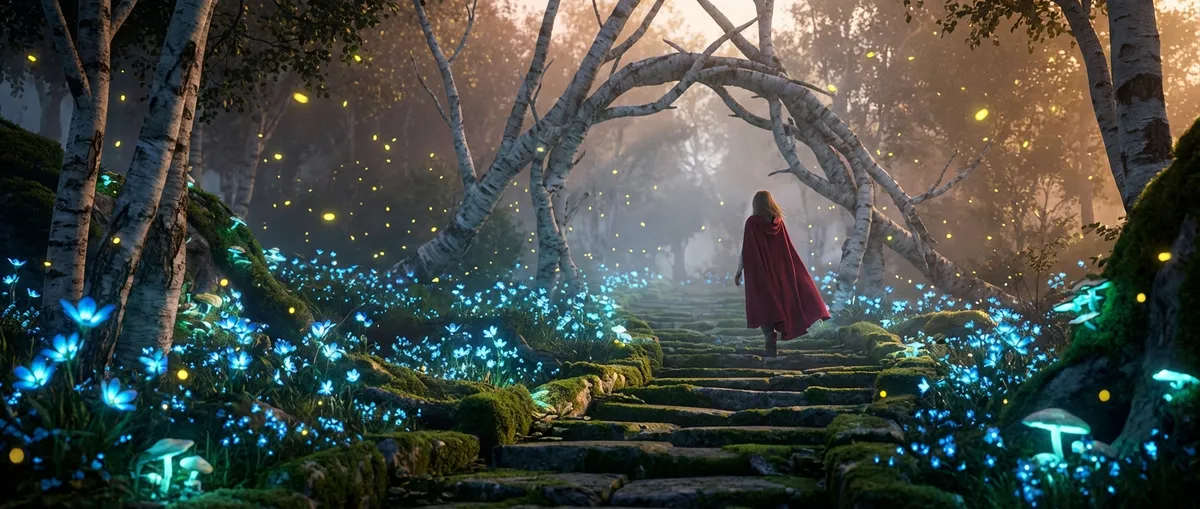
Idea 1: The Meandering Path That Makes You Walk Slowly
Straight lines get you there fast. Curves invite you to linger.
Design a path that refuses to be rushed. Think of a gentle, winding walkway that drifts through your space—never in a hurry, always suggesting “just one more step.” Use materials that feel good underfoot: decomposed granite with stone pavers, soft pea gravel, or warm, weathered brick. Let the path narrow in spots and widen unexpectedly into a tiny “pause point” for a bench, a single chair, or a big terracotta pot overflowing with herbs.
Border the path with plants that lean in—grasses that sway and brush your calves, lavender that releases its scent as you pass, low-growing thyme that peeks between stones. Add subtle elevation changes with a step or a gentle slope; even a small rise creates the feeling of “rounding a corner into somewhere new.” At night, tuck in low path lights or lanterns to make the route glow quietly. The goal isn’t to move through your yard quickly, but to give yourself a reason to slow down, wander, and maybe forget what time it is.
Idea 2: The Layered Garden That Feels Like a Living Tapestry
Landscapes become unforgettable when they have depth—like a painting you can walk into.
Imagine your yard as a living tapestry built in layers. Start with the tallest anchors: trees and large shrubs that give your space a sense of height and shelter. Then add a middle story of flowering shrubs, ornamental grasses, and perennials that carry the main color and texture. Finally, complete the scene with a ground-level layer of creeping herbs, mosses, and low blooms that make the earth itself feel designed.
Think in terms of rhythms instead of rows. Repeat colors—a dusky purple here, a soft cream there—so your eye glides from one area to the next. Use contrasting leaf shapes to keep things interesting: feathery grasses beside waxy leaves, big hosta foliage near airy ferns. Choose plants with staggered bloom times so something is always quietly happening, even in the off-season: spring bulbs, summer flowers, autumn foliage, winter berries or interesting bark.
A layered garden doesn’t shout; it murmurs. It invites you to discover small details: a single bloom tucked under a shrub, raindrops resting on a giant leaf, a hidden patch of moss catching the morning light. Over time, your yard becomes less like a collection of plants and more like a story your landscape is telling month by month.
Idea 3: The Edible Corners That Turn Your Yard Into a Quiet Feast
There’s something deeply comforting about stepping outside and picking a leaf, a berry, or a sprig of something fragrant that goes straight onto your plate—or into your glass.
Rather than one big vegetable plot out back, consider scattering edible moments throughout your landscape. A row of blueberry bushes can become a hedge. A small espaliered apple or pear tree can grow against a fence, its branches trained like living artwork. Herbs can brim from pots on steps and tuck into borders between flowers. Strawberries can spill over a stone wall, turning an edge into an unexpected harvest.
Blend beauty with usefulness: purple basil glowing against lime-green foliage, rainbow chard like stained glass in a morning sunbeam, pots of rosemary and thyme framing a doorway. Choose perennial edibles—like rosemary, sage, chives, rhubarb, and berry shrubs—so your edible garden returns year after year with less effort. Even a tiny courtyard can hold a slender citrus tree in a pot or a narrow herb trough along a wall.
Edible corners change how you move through your space. You don’t just pass by your landscape; you interact with it—pinching mint for tea, grabbing cherry tomatoes on the way to the porch, snipping a little rosemary on your way back inside. Your yard becomes part pantry, part sanctuary.
Idea 4: The Soundscape Garden That Calms You Before You Sit Down
Before you see anything, you hear it. The soft splash of water. The whisper of leaves. The quiet hum of life carrying on whether you’re busy or not.
A soundscape garden layers intentional sounds into your outdoor world. A small fountain or bubbling urn can be enough—nothing grand, just a gentle burble that masks street noise and sends a message to your nervous system: it’s safe to exhale here. Surround the water with plants that move: ornamental grasses that rustle, bamboo that clacks softly in the wind, trees with leaves that flutter and shimmer in the lightest breeze.
Invite wildlife voices, too. Choose flowering plants rich in nectar—coneflowers, salvia, bee balm, native wildflowers—to draw in bees and butterflies. Add shrubs and small trees with berries or dense structure where birds can shelter and sing. A shallow birdbath or dish can turn a quiet corner into a daily aviary performance.
Sound is invisible, but it transforms your yard. You’ll notice the difference the first time you sit outside with your eyes closed and realize your landscape is not just something to look at—it’s something to listen to.
Idea 5: The Seasonal Ritual Spaces That Grow With You
Landscapes aren’t static; they’re moving with you through the year. What if your yard held small spaces designed for recurring rituals—tiny stages for the seasons of your life?
Create a sunrise nook: a spot where the first light hits, with a simple chair or a low bench facing east. Surround it with plants that glow when backlit—grasses, silvery foliage, pale blooms that catch the dawn. Somewhere else, carve out a late-afternoon reading corner under a tree or beside a tall hedge, with dappled shade and a soft place to land.
Mark the seasons with plant choices. Spring bulbs near a doorway that become your unofficial “winter is over” announcement. A blazing-red maple or shrub at the edge of your view that turns autumn into a holiday of its own. A cluster of evergreens near a path so even in January, your yard feels alive, structured, and welcoming.
Think of simple rituals: morning tea on the same stepping stone, a weekly outdoor dinner at a bistro table under string lights, a quiet “last look” walk through the garden before bed. Design not just for how your yard will look, but for how you want it to hold your habits, your pauses, your celebrations. Over time, these ritual spaces turn your landscape into more than scenery—they make it a companion.
Conclusion
Landscaping isn’t about impressing anyone driving by. It’s about building an outdoor world that speaks your language: slow paths that ask you to wander, layers that reward a second glance, edible corners that feed you in small, joyful ways, sounds that ease your shoulders down from your ears, and seasonal spaces that remember your favorite rituals.
Your yard, no matter its size, is raw material for a life lived a little more outside. Start with one idea—a single winding path, a handful of herbs, a tiny fountain in a quiet corner—and let it grow. Little by little, you’re not just planting a landscape. You’re planting a place where your everyday life can feel just a bit more like a secret passage to another world.
Sources
- University of Minnesota Extension – Landscape Design Basics – Guidance on layering plants, creating focal points, and organizing outdoor spaces
- Royal Horticultural Society – Designing with Plants – Ideas for plant combinations, textures, and seasonal interest
- U.S. Forest Service – Benefits of Urban Trees – Research-backed benefits of trees for shade, sound, and well-being
- Cornell Cooperative Extension – Edible Landscaping – Practical tips on integrating fruits, herbs, and vegetables into ornamental landscapes
- National Wildlife Federation – Garden for Wildlife – Information on creating wildlife-friendly gardens that support birds, pollinators, and biodiversity