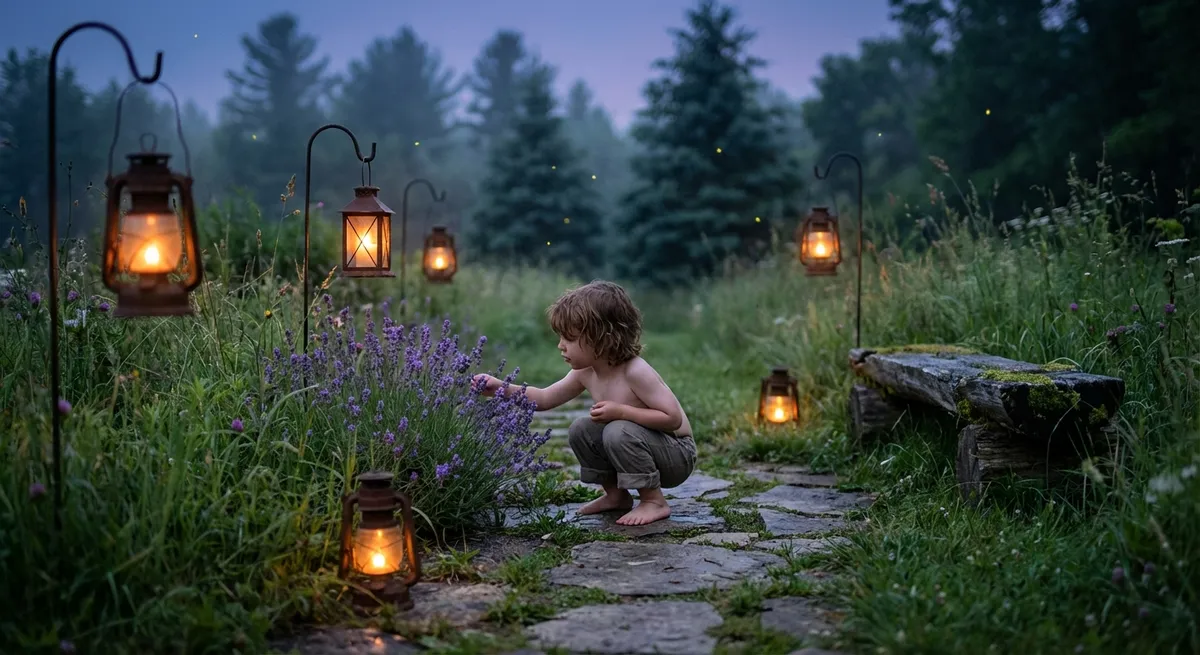
Outdoor living enthusiasts know: the right landscape doesn’t just decorate your home; it rewrites how you move, gather, and breathe outside. Let’s shape a yard that doesn’t just look good in photos, but feels like a place your day naturally drifts toward.
Designing for How You Move, Not Just What You See
Before diving into plants and pathways, imagine how you want to live outside. Do you wander with coffee in hand, barefoot on cool stone? Do you drift from grill to conversation nook, or tuck into a quiet corner with a book? Landscaping can choreograph those movements.
Think of your yard as a series of “micro-worlds” connected by gentle transitions. A soft gravel crunching underfoot as you leave the porch. A narrow flagstone path bending around a raised bed. A low ornamental grass brushing your legs as you walk by. This kind of design doesn’t scream for attention; it pulls you forward, coaxing you to keep exploring.
When you start with movement, your yard becomes more than a backdrop. It becomes a story your body gets to walk through every single day.
Idea 1: The Meandering Pathway That Slows Time
Straight paths are about efficiency. Curved paths are about discovery. A meandering walkway invites you to walk slower, notice more, and feel like your yard hides quiet secrets just around the bend.
Use materials that feel good underfoot—flagstone with creeping thyme between the cracks, decomposed granite that crunches softly, or weathered brick that looks like it’s been there for decades. Let the path narrow and widen in places, like a conversation that gets intimate, then expansive.
Flank the edges with plants of different heights: low groundcovers near your feet, taller grasses or shrubs near your knees and hips, and small trees or trellised vines near eye level. As you walk, your view shifts: a peek at a birdbath, a sudden frame of the sunset, a bench coming into focus only when you’re almost there.
This isn’t just circulation—it’s ceremony. A daily ritual where walking from one side of the yard to the other feels like a reset button for your nervous system.
Idea 2: A Layered Plant Palette That Feels Like a Living Tapestry
A truly compelling landscape feels lush even in stillness, like a painting that never stops moving. The secret is layering—tall, medium, and low plants overlapping so your eye always finds depth and texture, not just a flat line of greenery.
Start by choosing a backbone of native shrubs and small trees that thrive where you live. These give structure year-round and invite birds, bees, and butterflies to treat your yard like home, not just a pit stop. Weave in perennials that bloom at different times—early spring colors that announce the season, summer bursts that hum with pollinators, late fall tones that fade into copper and gold.
Don’t be afraid of repetition. Echo the same grass or flower across the yard so your plantings feel intentional, not chaotic. Use contrasting leaf shapes—broad hosta leaves near thin, feathery ferns; upright grasses next to mounding flowers. Even when nothing is in bloom, the silhouettes will carry the scene.
When your plants are layered thoughtfully, your yard will feel full, generous, and quietly wild. The kind of place where you notice new things even after a hundred walks.
Idea 3: A Fire and Shadow Nook for Nighttime Gatherings
Some landscapes stop working when the sun goes down. Yours doesn’t have to. Create a small, defined nook where fire, shadow, and soft light turn your yard into an evening refuge.
This can be as simple as a gravel circle with a portable fire pit and two or three deep, comfortable chairs. Surround it with tall grasses that sway and catch the glow, or low stone walls that hold warmth after the flames die down. Think about what you’ll see from the fire, not just the fire itself—maybe a silhouetted tree, a lit-up trellis, or a softly illuminated path drawing the eye outward.
Layer your lighting: string lights overhead for a gentle canopy, solar path lights lower to define edges, and one or two focal lights aimed at a tree or sculpture to create depth. Let darkness still exist in pockets—mystery is part of the charm.
This nook becomes your evening anchor. The place where voices drop, stories lengthen, and the cool night air wraps around you while the warmth of the fire holds you in place.
Idea 4: An Edible Border That Blurs Beauty and Utility
Who says the vegetable garden needs to be hidden out back? Let your landscape do double-duty by weaving edible plants into places of honor—along pathways, near patios, framing a seating area.
Mix herbs like rosemary, lavender, and thyme into flower borders for scent and flavor. Tuck strawberries at the base of shrubs where they can spill over an edge. Use blueberry bushes as a hedge, their flowers feeding pollinators in spring and their leaves flaming red in fall. A small espaliered apple or pear tree against a fence can look sculptural and feed you at the same time.
Design it like you would a purely ornamental bed: think about color, height, texture, and seasonality. Purple basil, rainbow chard, and kale can be as stunning as any flower. Place them where you actually pass by daily—near doors, along main routes—so harvesting feels easy and spontaneous.
An edible border turns your yard into a place of quiet abundance. You’re not just admiring the space; you’re participating in it. Snipping, tasting, sharing. Your landscape becomes nourishment in every sense.
Idea 5: A Quiet Threshold Between Indoors and Out
Outdoor living doesn’t have to be a big, dramatic space. Sometimes the most meaningful landscaping lives right at the threshold—a small transition zone that gently shifts you from inside mind to outside mind.
Imagine stepping out the back door onto warm pavers or wood decking, framed by planters that rise to hand level. The moment you step out, your senses change: the smell of basil in a pot, the whisper of a small fountain, the dappled shade from a pergola or a well-placed tree. This is your launch pad, your decompression chamber.
Use vertical elements here—trellises with climbing jasmine or clematis, a slender screen with hanging pots, a narrow bench with cushions that invite you to linger “just for a minute.” From this small spot, you get a curated view of the wider yard, almost like a stage set. It reinforces the idea that stepping outside is not a random act. It’s an intentional decision to slow down.
When your threshold feels special, you’ll find yourself stepping out more often—morning coffee, quick phone calls, late-night stargazing. The line between “inside your life” and “outside your life” starts to blur in the best way.
Conclusion
Landscaping isn’t just about making your home look better from the street. It’s about creating a world outside your door that gently rearranges your day. A path that makes you walk slower. A layered border that turns a simple glance into a moment of awe. A firelit corner that lengthens evenings. An edible edge that feeds body and spirit. A threshold that turns every step outside into a small, sacred act.
When your yard is designed for how you feel—not just how it looks—your outdoor spaces stop waiting for special occasions. They become where life naturally unfolds: in barefoot walks at dusk, shared blankets by the fire, and quiet mornings when the world is still soft and new.
Sources
- United States Environmental Protection Agency – Green Landscaping – Guidance on sustainable, water-wise landscaping and design considerations.
- Lady Bird Johnson Wildflower Center (University of Texas) – In-depth resources on native plants, habitat-friendly design, and region-specific recommendations.
- Royal Horticultural Society – Garden Design Principles – Foundational ideas on layering, structure, and creating interest throughout the seasons.
- U.S. Department of Agriculture – Edible Landscaping – Overview of incorporating food-producing plants into attractive home landscapes.
- International Dark-Sky Association – Outdoor Lighting Basics – Best practices for night lighting that enhances ambiance while protecting the night sky.